Ride Quality That Absorbs Road Impact
Suspension repair in South Salt Lake for vehicles with unstable handling, rough ride quality, or underbody collision damage
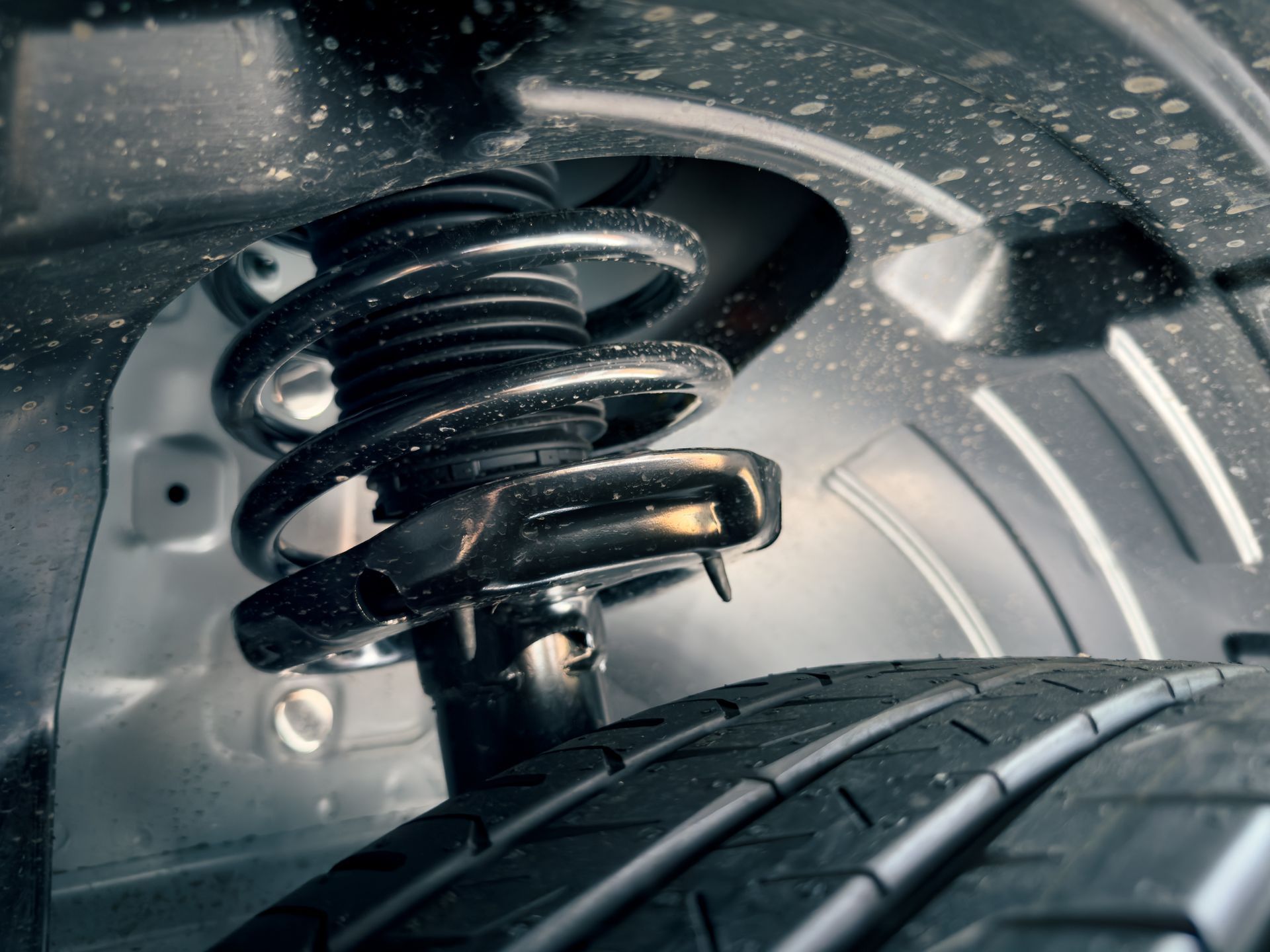
Damaged shocks, struts, and suspension components change how your vehicle responds to road surfaces, how weight transfers during braking, and how tires maintain contact through corners and rough pavement. Downtown Autobody repairs suspension systems that affect ride stability, handling precision, and braking response after collisions or wear from rough roads and winter driving conditions. Suspension damage often develops gradually through daily use or appears suddenly after accidents that impact the undercarriage, leaving you with a vehicle that feels loose, bounces excessively, or pulls unpredictably during lane changes.
Inspections examine shocks, struts, control arms, bushings, and underbody components for wear, leaks, or collision damage that compromises suspension function. Suspension problems affect alignment stability, tire wear patterns, and braking response because damaged components cannot control wheel movement or absorb impacts the way they're designed to.
Arrange a suspension evaluation if your vehicle feels unstable over bumps or exhibits handling changes after recent road impacts.
What Proper Suspension Repair Requires
Detailed undercarriage inspections identify damaged suspension components, leaking shock absorbers, and worn bushings that allow excessive movement in the suspension geometry. Accident-related undercarriage damage often bends control arms or shifts mounting points, creating alignment problems that cannot be corrected until structural repairs restore proper suspension positioning.
Once suspension repairs are finished, your vehicle absorbs bumps and road irregularities without excessive bouncing, handles predictably during lane changes and cornering, and maintains tire contact with the pavement through uneven surfaces. Braking response improves because weight transfers evenly across all four corners, and tire wear becomes more uniform because suspension geometry holds wheels in proper alignment throughout their travel range.
Winter driving conditions and rough roads common throughout the region accelerate suspension wear by subjecting shocks, struts, and bushings to repeated stress from potholes, expansion joints, and pavement damage. Suspension repairs restore the balance between ride comfort and handling control that deteriorates as components wear or sustain collision damage.
What Drivers Ask About Suspension Work
Customers frequently want to know how suspension damage affects vehicle safety, what components wear out first, and when repairs become necessary for continued reliable operation.
What symptoms indicate suspension damage after a collision?
Unusual noises over bumps, uneven ride height, excessive bouncing, or steering that feels loose and unresponsive all suggest suspension components sustained damage that requires inspection and repair.
How do worn shocks and struts affect braking performance?
Worn suspension components allow excessive weight transfer during braking, which increases stopping distances and causes the front end to dive sharply when you apply the brakes.
Why does suspension damage cause alignment problems?
Bent control arms, shifted mounting points, or worn bushings change suspension angles and prevent alignment adjustments from holding properly until the damaged components are replaced.
What undercarriage damage is common in South Salt Lake accidents?
Low-speed impacts, curb strikes, and collisions often bend subframe components, damage control arms, or shift suspension mounting points enough to affect handling and alignment stability.
How long do suspension repairs typically take to complete?
Repair duration depends on the extent of component damage, whether structural underbody work is required, and if alignment corrections are needed after suspension components are replaced.
Downtown Autobody handles suspension inspections and repairs with attention to how each component affects overall vehicle stability and long-term drivability. Schedule an underbody inspection if handling has changed or you suspect suspension damage from recent impacts or rough road conditions.